
✅ Edible Flowers in São Paulo: Beauty and Flavor in Gastronomy
Edible flowers in São Paulo are revolutionizing how the city enjoys its cuisine and mixology. Far more than mere decorations, these petals and blooms bring vibrant colors, unique textures, and surprising flavors, elevating dishes and drinks to an artistic level. Whether in upscale restaurants or homemade creations, edible flowers in São Paulo are captivating chefs, bartenders, and food enthusiasts. Have you ever considered how a single petal could transform your dining experience?



The Charm of Edible Flowers in Gastronomy
Beauty That Captivates the Senses
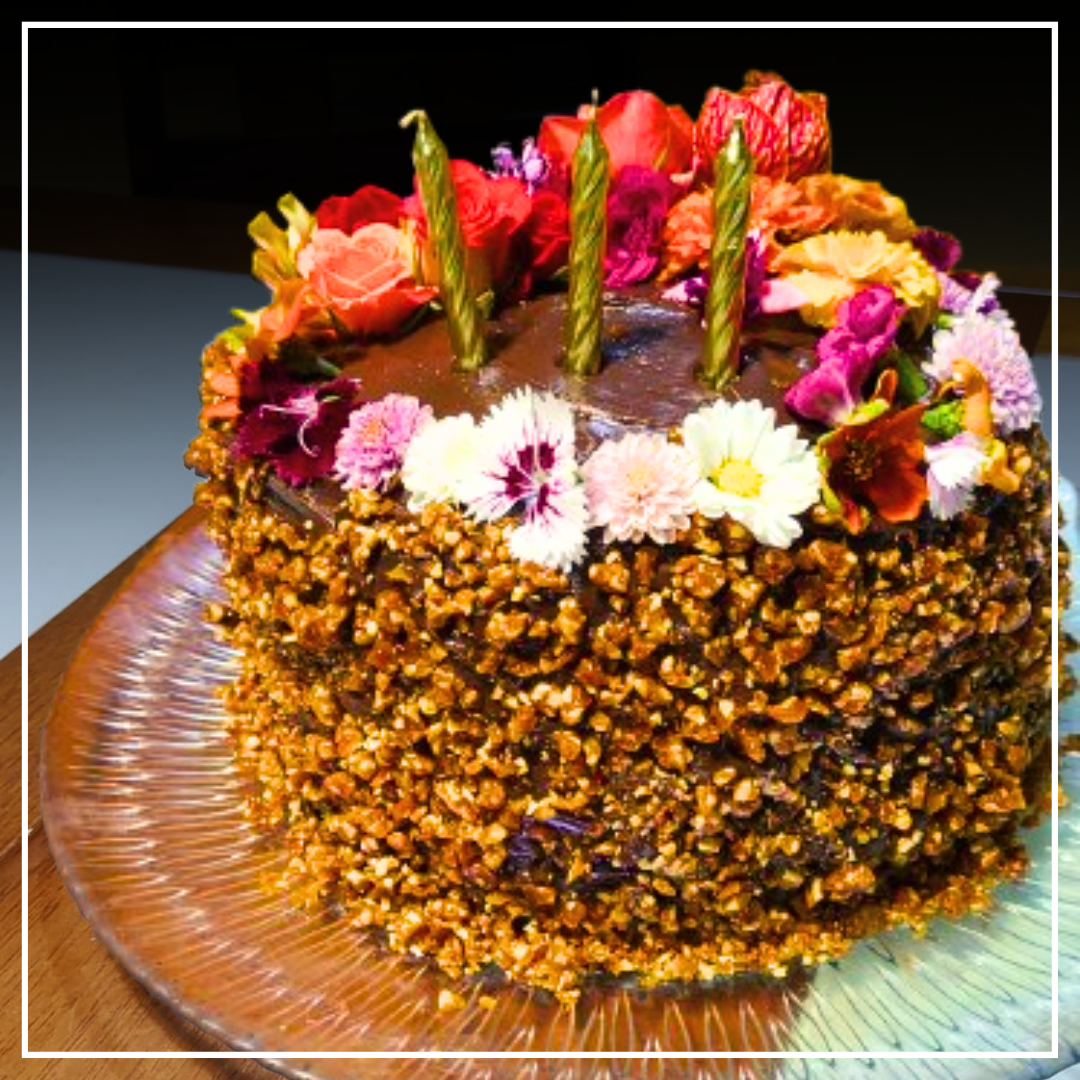
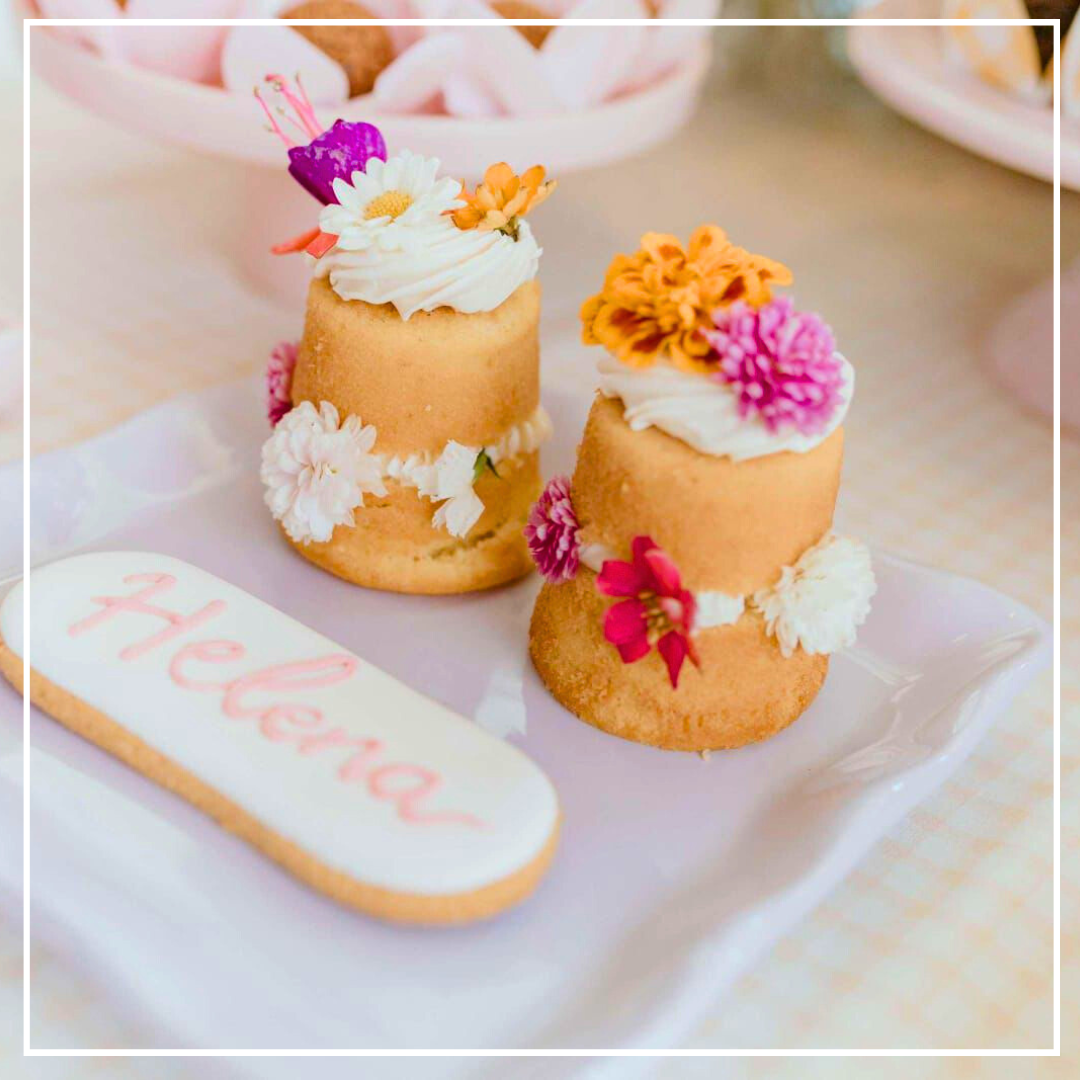
Edible flowers in São Paulo are a true visual spectacle. They turn simple dishes into compositions worthy of an art gallery. Picture an ordinary salad coming to life with nasturtium petals or a cake adorned with delicate pansies. These flowers offer a color palette ranging from the passionate red of roses to the soft purple of lavender, allowing chefs and home cooks to create visually stunning dishes.
Beyond aesthetics, they add a touch of sophistication. The presence of an edible flower on a plate suggests care, attention to detail, and a connection to nature. Have you ever noticed how a well-decorated dish can make a meal unforgettable?
Flavors That Surprise
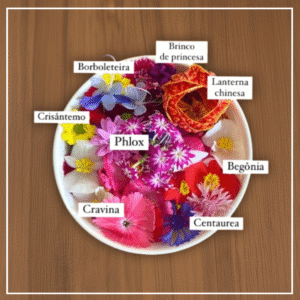
Edible flowers in São Paulo are not just beautiful—they also have unique flavors. Each type of flower offers a distinct taste experience:
- Nasturtium: A peppery kick reminiscent of arugula, ideal for salads and savory dishes.
- Roses: A gentle floral flavor with sweet notes, perfect for desserts and drinks.
- Lavender: An intense, slightly citrusy aroma, great for infusions and sweets.
- Calendula: A subtle, slightly bitter flavor that pairs well with risottos and soups.
These flavors, when used sparingly, add layers of complexity to dishes, delighting the palate. Can you imagine trying a dish with an unexpected floral touch?
How to Use Edible Flowers in São Paulo
In the Kitchen: Transforming Everyday Dishes
Edible flowers in São Paulo are incredibly versatile and can be used in various ways in cooking. Here are some ideas to inspire you:
Vibrant Salads
Petals of nasturtium or marigold add not only color but also a slightly spicy or sweet flavor. A salad with leafy greens, cherry tomatoes, and colorful petals becomes a dish worthy of a special dinner.
Enchanting Desserts
Cakes, pies, and mousses gain a magical touch with crystallized violets, roses, or pansies. These flowers transform desserts into true masterpieces, perfect for special occasions. Have you thought about surprising your guests with a cake decorated with flowers?
Elegant Main Dishes
Flowers like stuffed zucchini blossoms or calendula petals in a risotto showcase the cook’s attention to detail. These touches elevate the dish, making it more sophisticated and memorable.
Cheese and Charcuterie Boards
On charcuterie boards, flowers like flowering thyme or rosemary blooms add a rustic yet elegant charm. They pair perfectly with creamy cheeses and cured meats.
In Mixology: Drinks That Enchant
Mixology in São Paulo has also embraced edible flowers, creating beverages that are true visual and sensory spectacles. Here’s how they’re used:
Cocktail Garnishes
A dried hibiscus petal in a gin and tonic or a rose floating in a glass of champagne transforms the drink into a unique experience. These details make all the difference at a bar or event.
Aromatic Infusions
Flowers like lavender or hibiscus can be used to create syrups and liqueurs with delicate floral notes. A lavender syrup, for example, adds a sophisticated touch to cocktails with gin or vodka.
Floral Ice Cubes
Freezing edible flowers in São Paulo inside ice cubes is a trend that combines practicality and beauty. As the ice melts, the flower is revealed, surprising those who sip the drink. Have you ever tried a cocktail with a floral ice cube?
Where to Find Edible Flowers in São Paulo
Quality Suppliers: Consumo Verde
To ensure safe and high-quality edible flowers in São Paulo, it’s essential to choose trusted suppliers. One of the leading names in the city is Consumo Verde, specializing in organic products and PANCs (Non-Conventional Food Plants).
Consumo Verde offers a wide variety of edible flowers, grown without pesticides and with full traceability. They serve both the food service industry (restaurants, bars, and bakeries) and individual consumers, with scheduled deliveries in the city. For more information, visit: 🌸 www.consumoverde.com.br 🌸 Instagram: @consumoverde
Benefits of Edible Flowers
Aesthetics and Sophistication
Edible flowers in São Paulo are unmatched when it comes to presentation. They make any dish or drink more appealing, creating a memorable experience for diners. At events, weddings, or dinners, they’re a standout feature that impresses guests.
Nutritional Value
Many edible flowers are rich in vitamins, antioxidants, and minerals. For example:
- Nasturtium: High in vitamin C and anti-inflammatory compounds.
- Calendula: Known for its antioxidant and healing properties.
- Hibiscus: Aids digestion and is a source of antioxidants.
Sustainability
The use of edible flowers in São Paulo aligns with the trend toward more sustainable eating. Many suppliers, like Consumo Verde, grow their flowers organically, respecting the environment and promoting biodiversity.
Precautions When Using Edible Flowers
Avoid Flowers from Florists
A common mistake is using flowers bought from florists for consumption. These flowers are treated with pesticides and fungicides, making them unsuitable for eating. Always purchase edible flowers in São Paulo from certified suppliers.
Wash Carefully
Before using, gently rinse the flowers in running water to remove dust or small insects. Dry them with a clean cloth or paper towel to preserve their texture.
Know Your Flowers
Not all flowers are edible. Some, like azaleas or lilies, are toxic and can cause serious health issues. Research or consult a trusted supplier before using any flower in the kitchen.
Edible Flowers: A Trend Here to Stay
Edible flowers in São Paulo are not just a passing fad—they represent an evolution in how we view food. They invite us to explore the beauty of nature, experiment with new flavors, and turn every meal into a celebration. Whether in a Michelin-starred restaurant or your own kitchen, these flowers bring a touch of magic that enchants both the eyes and the palate.
Have you tried incorporating edible flowers into your recipes? How do you think they could transform your next culinary creation? Share your ideas and get inspired to take your cooking to the next level!
FAQ: All About Edible Flowers in São Paulo
1. What are edible flowers, and what are their benefits?
Edible flowers are flowers grown specifically for human consumption, free of pesticides. They offer aesthetic beauty, unique flavors (sweet, spicy, citrusy), and, in many cases, nutritional benefits like vitamins and antioxidants.
2. Where are edible flowers most used in cooking?
They are used for:
- Dessert decoration: Cakes, pies, and mousses with roses or violets.
- Finishing savory dishes: Salads, risottos, and meats with nasturtium or calendula.
- Mixology: As garnishes or infusions for drinks, like hibiscus in a gin and tonic.
3. Can I use flowers from my garden?
No! Many garden flowers are toxic or treated with chemicals. Buy edible flowers in São Paulo from certified suppliers like Consumo Verde.
4. What’s the difference between florist flowers and edible flowers?
Florist flowers are for decoration and may contain pesticides. Edible flowers are grown organically, safe for consumption, and available from suppliers like Consumo Verde.
5. How can I ensure the quality of edible flowers?
- Choose suppliers with organic certification.
- Check for freshness (firm petals, vibrant colors).
- Avoid flowers with spots or signs of deterioration.
6. How does Consumo Verde serve São Paulo?
Consumo Verde supplies edible flowers in São Paulo to restaurants, bars, and individual consumers, offering scheduled deliveries and high-quality organic products. Visit www.consumoverde.com.br or Instagram @consumoverde.
7. Do edible flowers significantly change a dish’s flavor?
The flavor impact is subtle. Nasturtium has a peppery taste, while roses are sweet. The main effect is visual, but flavors can enhance a dish when used in balance.
Related posts:
- How Video Games Illuminate Religious Concepts in the Classroom
- O Deslumbrante Mundo dos Casamentos Bilionários na Índia: Um Bilhão em Celebração
- Can My Husband Challenge a Will Leaving $600K to a Friend After COPD?
- Meta eliminará las publicidades políticas en Instagram y Facebook en la UE a partir de octubre